


Around 2010, photography faced an extinction-level disruption.Smartphones didn’t just disrupt cameras — they eliminated the need for them. Global camera shipments collapsed. Convenience won. Specs became table stakes. Photography became instant, effortless, disposable.
Most camera brands tried to out-compute the phone.
Two brands chose a different fight.
Leica and Fujifilm didn’t survive by competing on utility.
They survived by shifting the conversation to identity.
Leica was nearly bankrupt in the early 2000s. Its mechanical rangefinders were slow, expensive, and technologically “obsolete.” Early digital attempts diluted the brand.
The pivot came when Leica stopped apologizing for what it was.
Instead of chasing electronics, Leica reframed itself as a luxury artifact — closer to a mechanical Swiss watch than a consumer gadget. Not something you upgrade every two years, but something you live with, age with, and pass down.
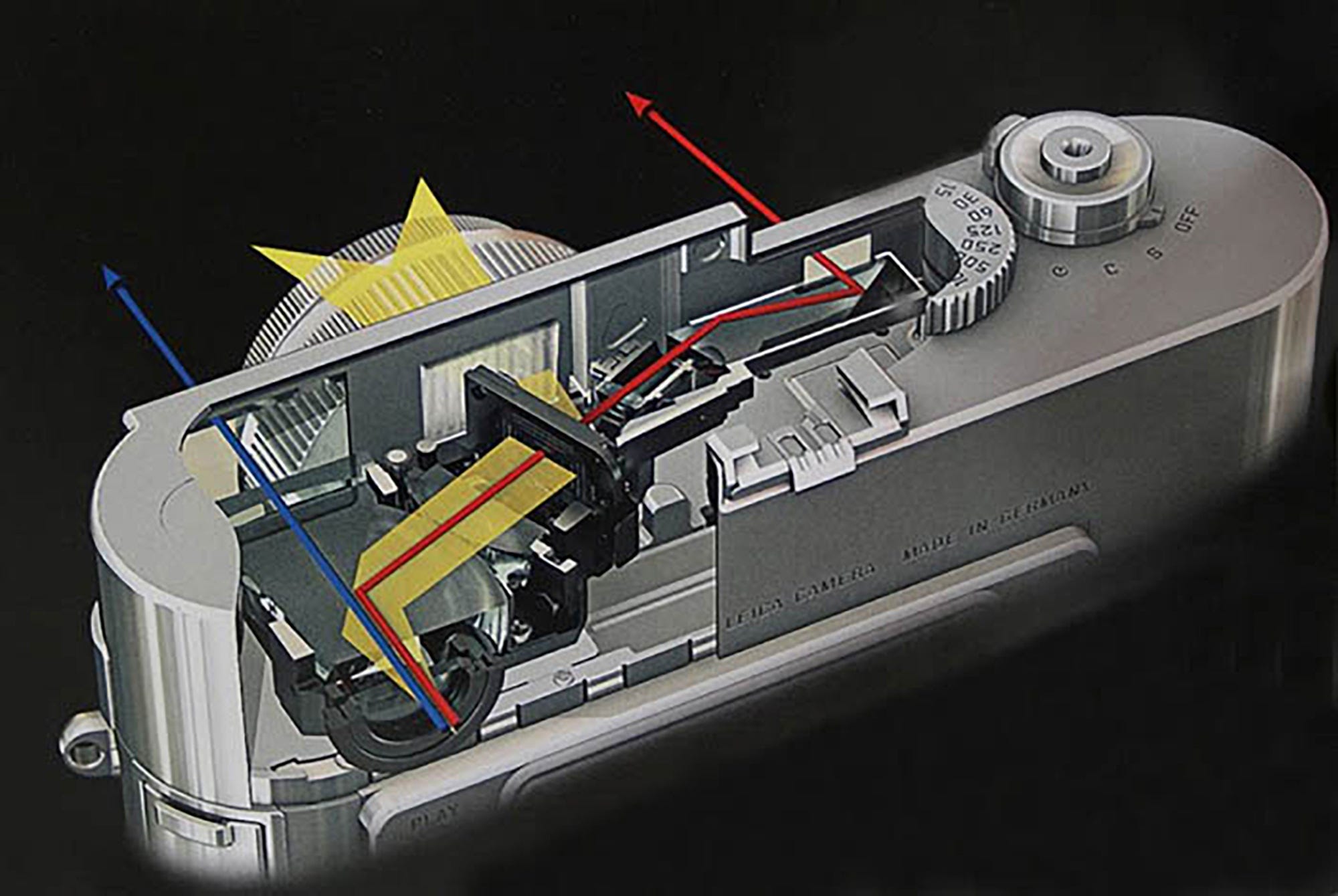
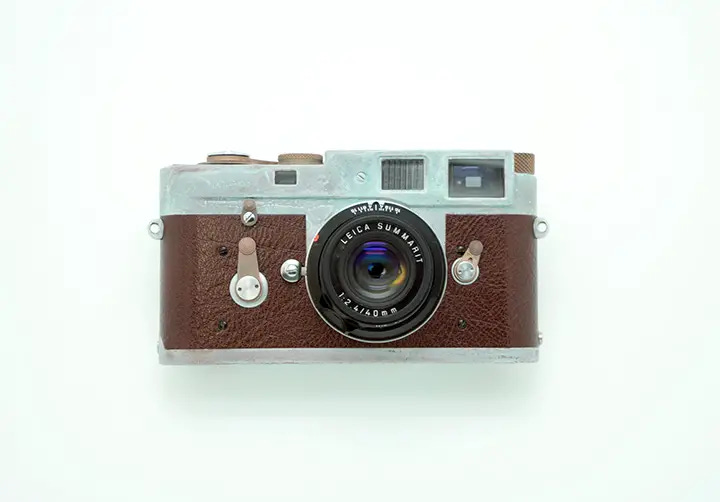
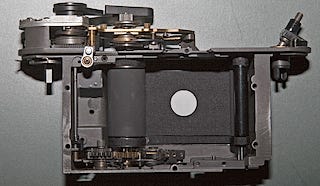
Leica leaned into friction:
The difficulty is the point. Owning a Leica signals intention. Taste. A refusal to optimize everything.
It’s not about taking more photos.
It’s about how you take them — and who you are when you do.
Fujifilm’s threat was more brutal. Film - its core business, vanished almost overnight.
Unlike Kodak, Fujifilm didn’t cling to nostalgia alone. Under Shigetaka Komori, it diversified aggressively into healthcare, cosmetics, and pharmaceuticals. That financial stability gave its camera division something rare: freedom.
Freedom to stop chasing volume.
Freedom to build niche products with soul.
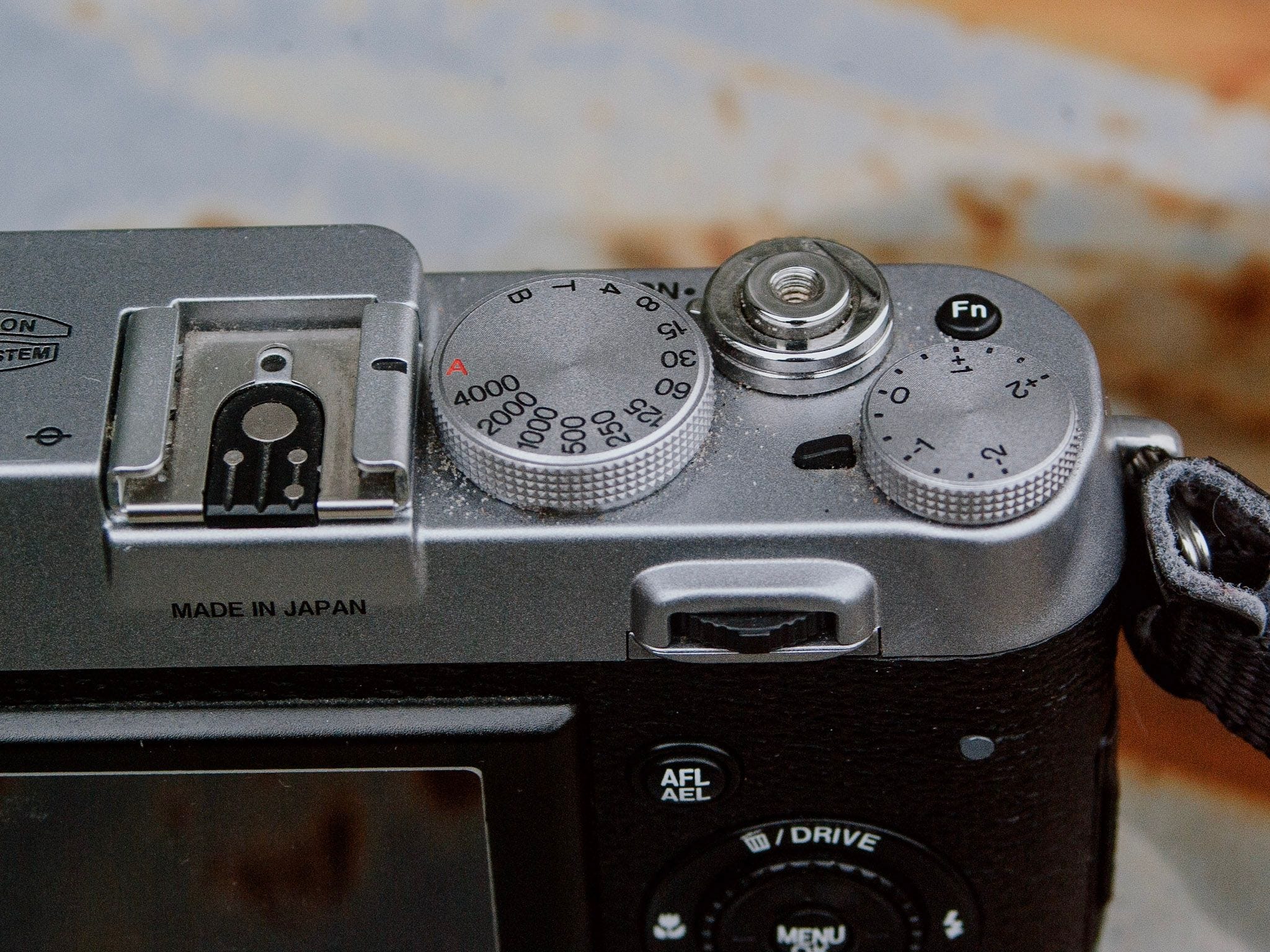


Fujifilm’s strategic insight was precise: People didn’t miss film processing.
They missed film feeling.
So Fujifilm digitized its greatest intangible asset - color science.
Film Simulations weren’t filters; they were decades of chemical knowledge translated into digital profiles. Paired with tactile dials and retro forms, Fujifilm made cameras that felt intentional again.
This resonated deeply with Millennials and Gen Z:
Fujifilm didn’t sell specs. It sold aesthetic identity, made accessible.
P.S.: I have written more about Analog as a strategic move. Here’s the link to it.
Smartphones made photography invisible.
Leica and Fujifilm made it deliberate again.
They reintroduced:
And in doing so, they tapped into something psychological:
In a world of infinite images, process becomes meaning.
Leica offers the identity of process — mastery, restraint, permanence.
Fujifilm offers the identity of aesthetic — mood, memory, authorship.
One occupies the penthouse.
The other democratizes the feeling.
Both understood the same truth:
You don’t beat digital by being more digital.
You win by building better objects.
This is why mechanical cameras still thrive in a computational world.
Not despite the smartphone — but because of it.
Because when everything is optimized, friction becomes luxury.
And when images are infinite, how you see matters again.
If you’re building products today - especially physical ones - this isn’t about nostalgia. It’s about identity design.
Utility gets replaced with changing times in a fast paced world. Meaning doesn’t.
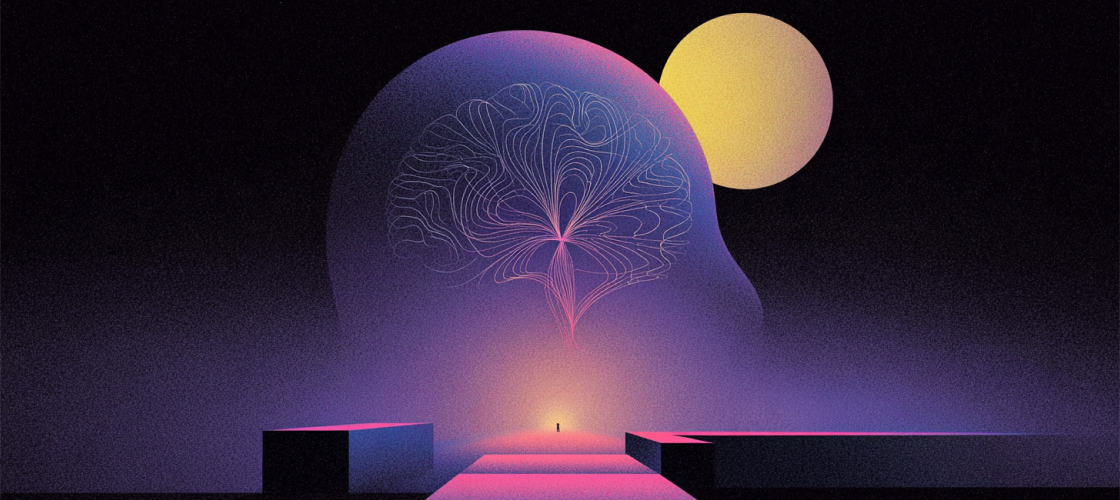

Alarm clocks are essential tools of modern life, yet for many, they trigger stress rather than support a smooth transition into wakefulness. This in-depth research report explores the overlooked relationship between alarm sound design and the body’s morning stress response, tracing the evolution of alarms and the cultural habits that shaped them. It examines how sonic characteristics directly affect cognition, mood, and physiological arousal upon waking.

For the last decade, the marketing mandate has been simple: Speed. Identify the trend, mimic the trend, monetize the trend. But the machinery of cool has broken down. The trend cycle, which once moved on a breathable 20-year loop, has collapsed into a hyper-accelerated blur of micro-aesthetics that rise and die in weeks. It is time to stop chasing. It is time to build Cultural Antibodies.
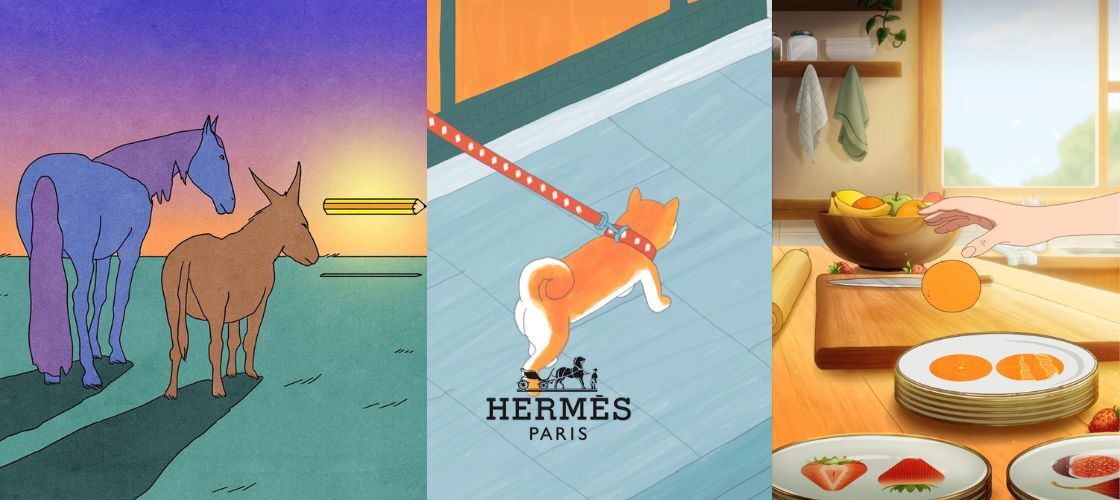

Hermès commissioned nearly 80 creatives - illustrators, animators, artists, to generate social-content aligned with “Drawn to Craft.” That means instead of traditional product shots or celebrity ads, you get a mosaic of artistic interpretations keyed to craft, heritage and creative vision.
Drop us a note and we’ll
schedule a free consultation.

Darjeeling Design Co.
VO-437, WeWork Embassy TechVillage, Block L,
Devarabisanahalli, Outer Ring Road, Bellandur,
Bengaluru, Karnataka 560103

